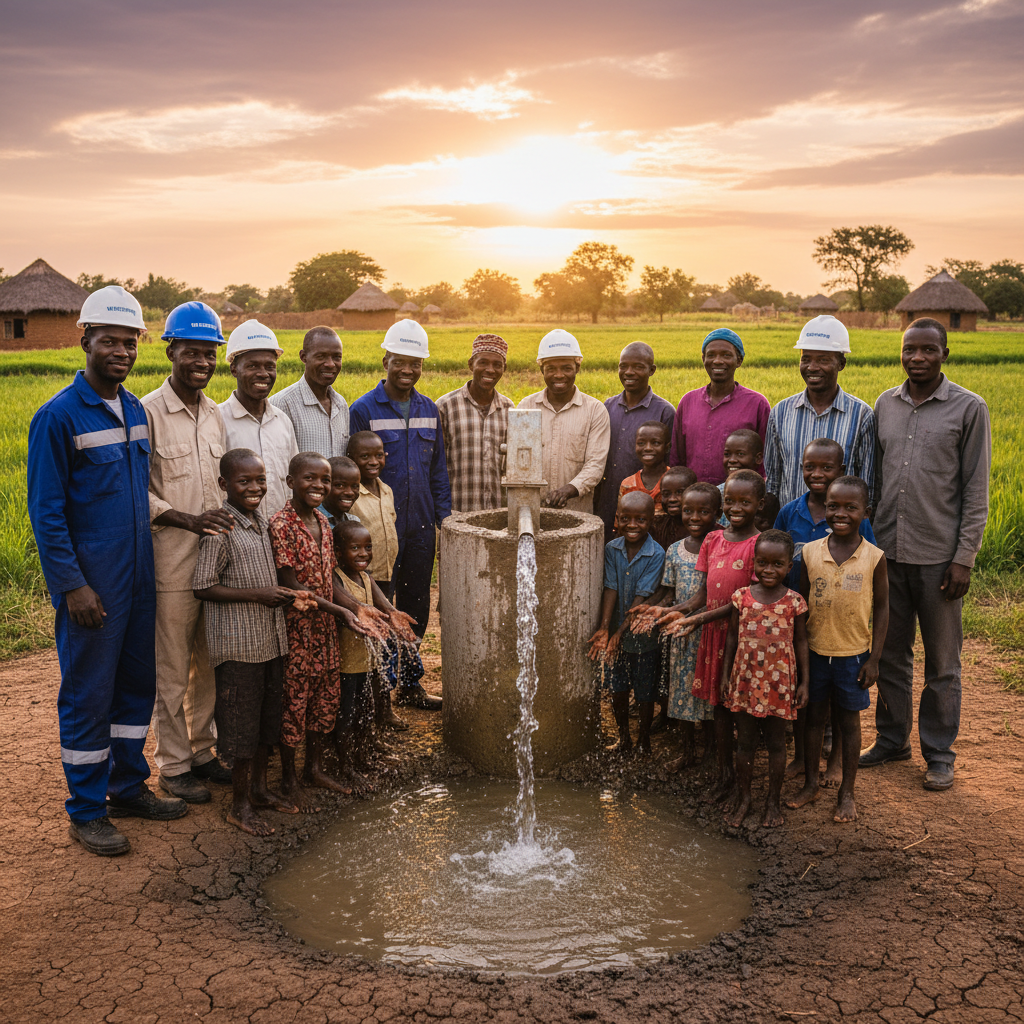
247 wells.
1.2 million
people.
One village at a time. Every borehole ends a four-hour morning walk. Every filter turns brown water clear. Every well is a school that finally keeps its students.
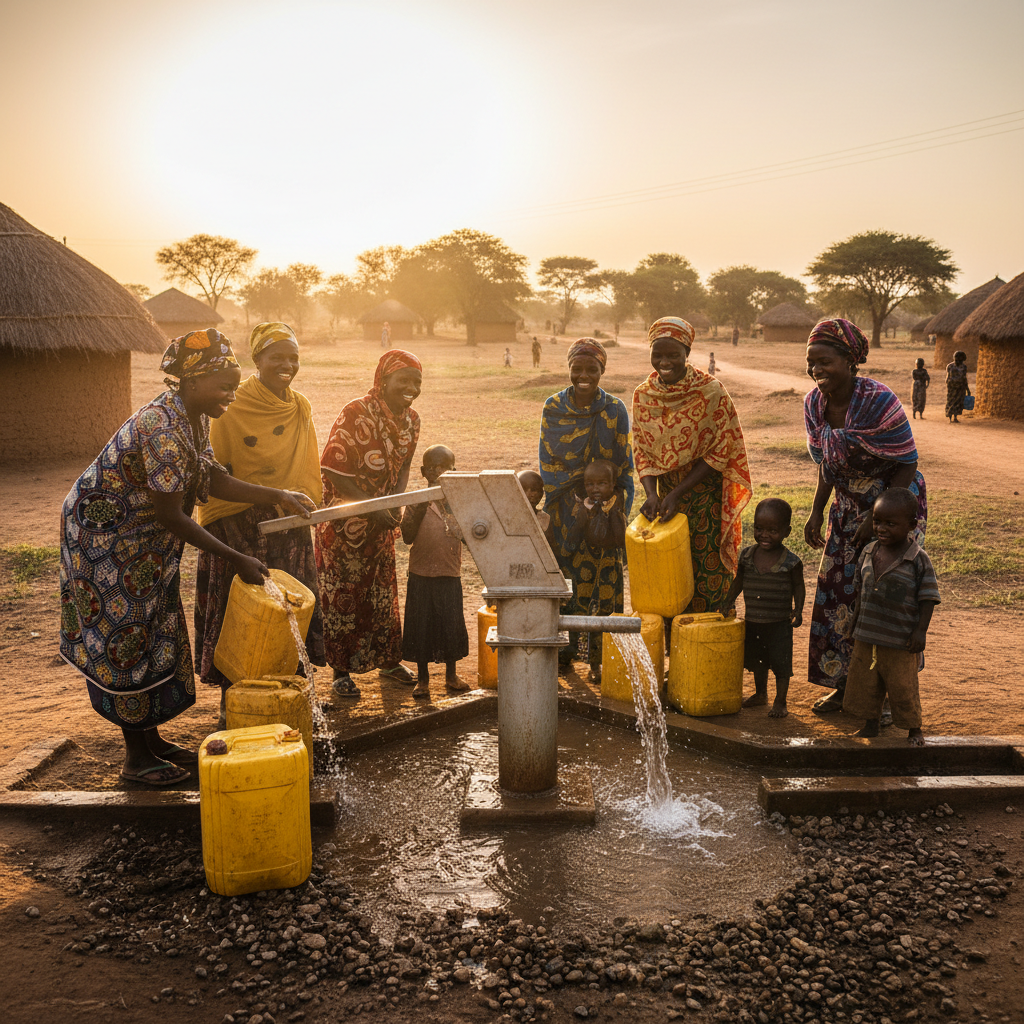
Kajiado, Kenya, Kenya · Completed March 2024
Kajiado, Kenya
"Before, I woke at 3am to be first in line at the river. My daughters missed school three days a week to carry water. Now they go every day."
The nearest water source was the Ewaso Ng'iro River — 18 kilometers away, shared with livestock, contaminated with runoff from the upstream farms. Women left before sunrise and returned past noon.
Wellspring drilled to 47 meters, hitting a clean aquifer that now delivers 14,000 liters per day. The gravity-fed filtration system requires no electricity and passes WHO standards every quarter.
School attendance for girls aged 8–14 went from 41% to 89% within three months of the well opening. The water committee, chaired by Naomi, manages a maintenance fund that has never needed external support.
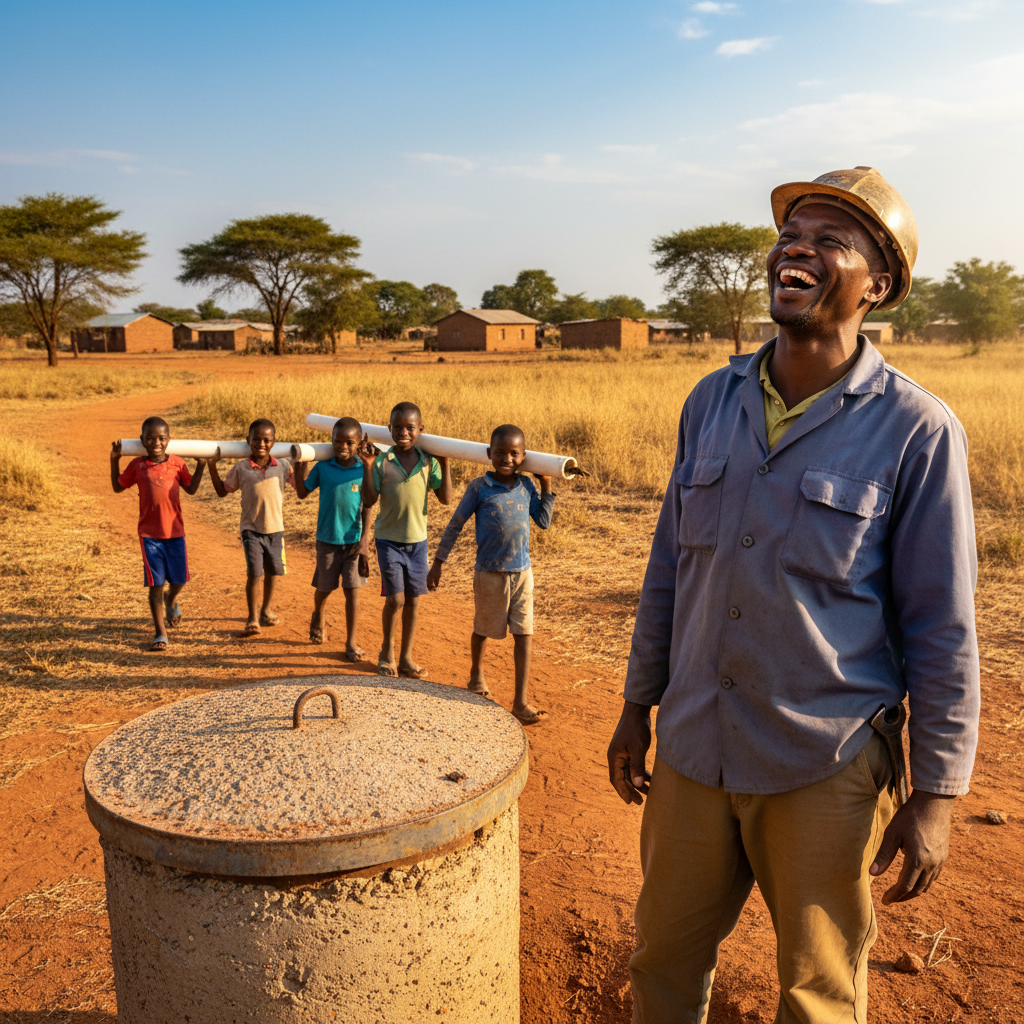
Dodoma Region, Tanzania, Tanzania · Completed August 2023
Dodoma Region, Tanzania
"I trained as a drilling engineer with Wellspring. Now I manage three wells myself. My children will drink clean water their whole lives."
Dodoma is Tanzania's capital by designation, but outside the city center, the infrastructure runs out quickly. The village of Msanga had a hand-dug well that dried every August — right when children were preparing for end-of-year exams.
We trained six local engineers in the drilling process, including Elias, who now manages maintenance for 11 wells across the region. The knowledge stays in the community.
The borehole at Msanga has never run dry. It serves 480 households and feeds a drip irrigation system that a women's cooperative uses to grow tomatoes through the dry season.
"Two villages. Two different countries. The same four-hour walk. The same solution."
Partner With Us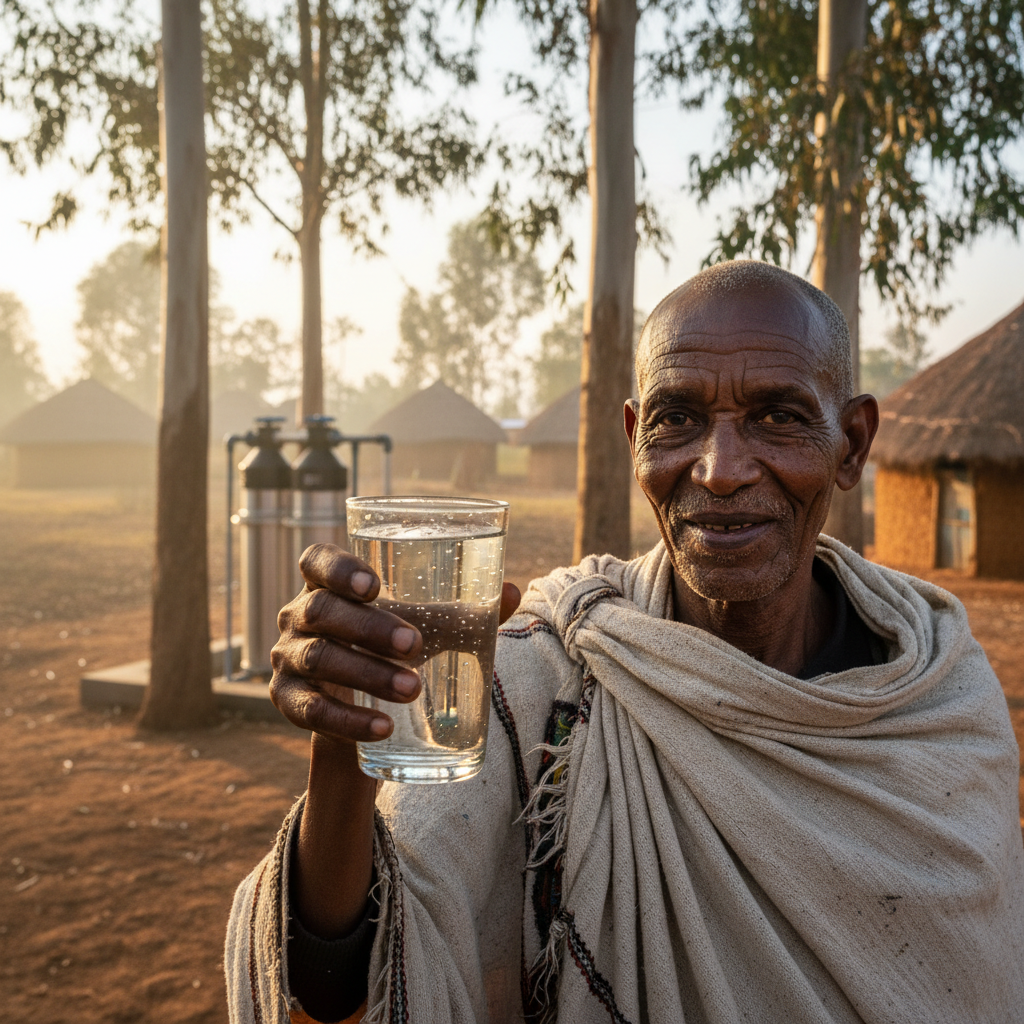
Amhara Region, Ethiopia, Ethiopia · Completed January 2025
Amhara Region, Ethiopia
"I am 74 years old. I have never in my life drunk water that looked like this. Like glass. Like rain that just fell."
Trachoma — a preventable bacterial infection spread by shared contaminated water — had affected 34% of children under 10 in this village. The clinic had no treatment. Families had no alternative.
Wellspring partnered with the regional health bureau to install a UV filtration unit alongside the borehole. Pathogen counts dropped to zero within two weeks. The clinic reported zero new trachoma cases in the following six months.
The well coordinates are public. The lab results are public. Abebe chairs the oversight committee and approves every quarterly report before it leaves the village.
How a well
actually gets built.
Not with a ribbon-cutting and a press release. With a hydrogeologist, a village committee, and a crew who shows up before sunrise. Here's what the four weeks look like.
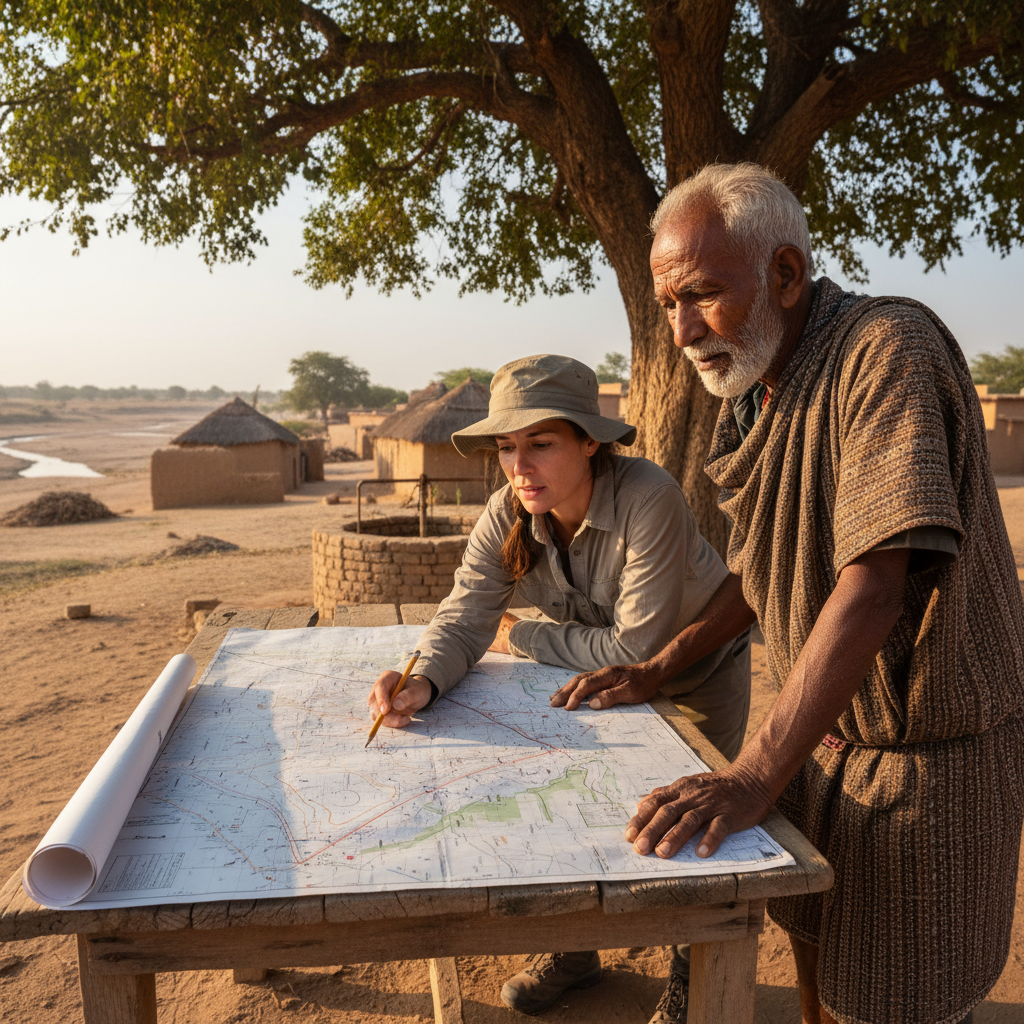
Hydrogeological survey
Our local geologists map aquifer depth and recharge rates. We test three sites before committing a single drill. If the water isn't there in sufficient quantity, we don't drill.
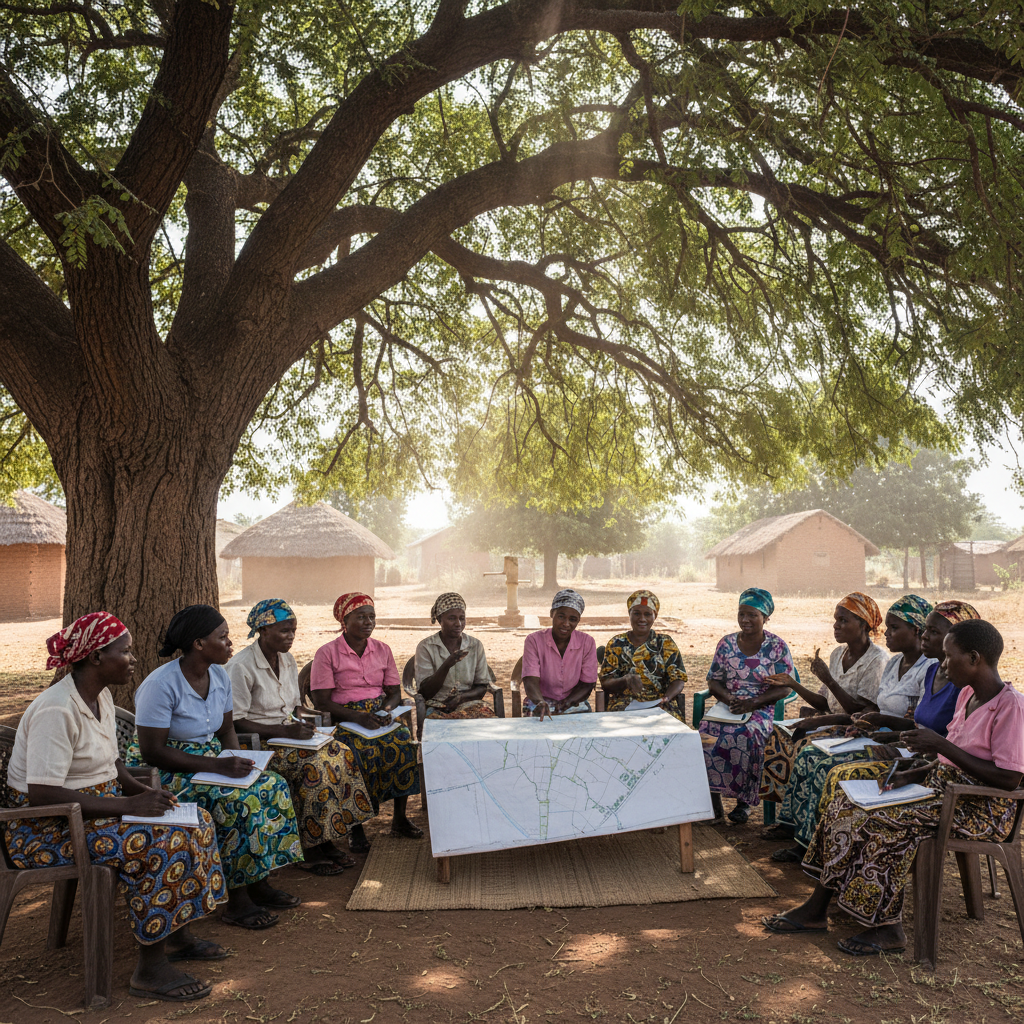
Water committee formation
Before any equipment arrives, we help the village elect a water committee — at least 60% women. They set the tariff, manage the maintenance fund, and own the well. We are guests.
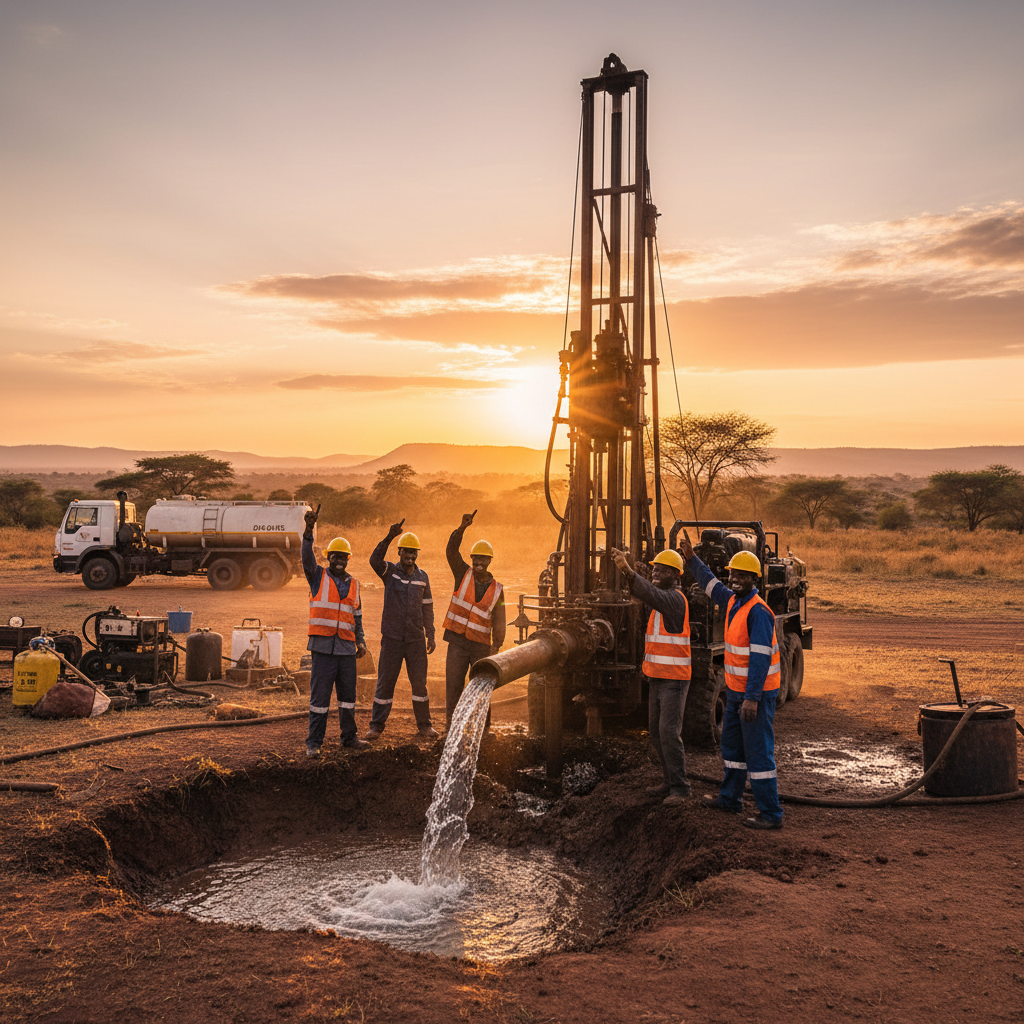
Borehole & filtration install
A crew of six — four local engineers, two community trainees — drill to aquifer depth and install the hand pump and gravity-fed filtration system. Children carry PVC pipe. Elders watch.
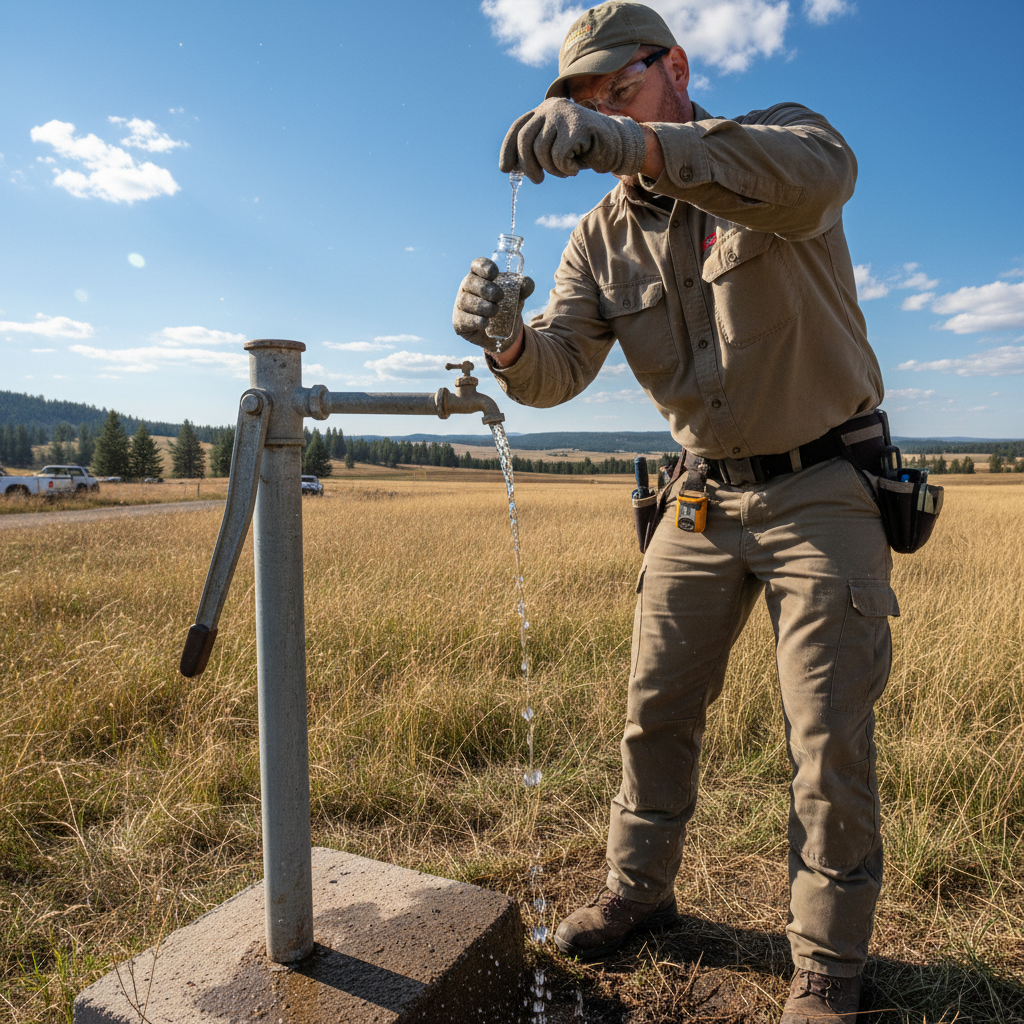
Independent water testing
Every well is tested quarterly by an independent lab. Results are published publicly — GPS coordinates, test date, pathogen counts. If a well fails, we fix it within 72 hours or suspend the site.
Verified by · Partnered with · Recognized by
Partner
with us.
Whether you're a foundation evaluating impact, a corporation building an authentic CSR program, or an individual who just watched a documentary and needs somewhere to put that feeling — we'd like to talk.


Start a conversation
No dollar amounts. Just a first call.
247 wells. 1.2 million people. Ready to add another?